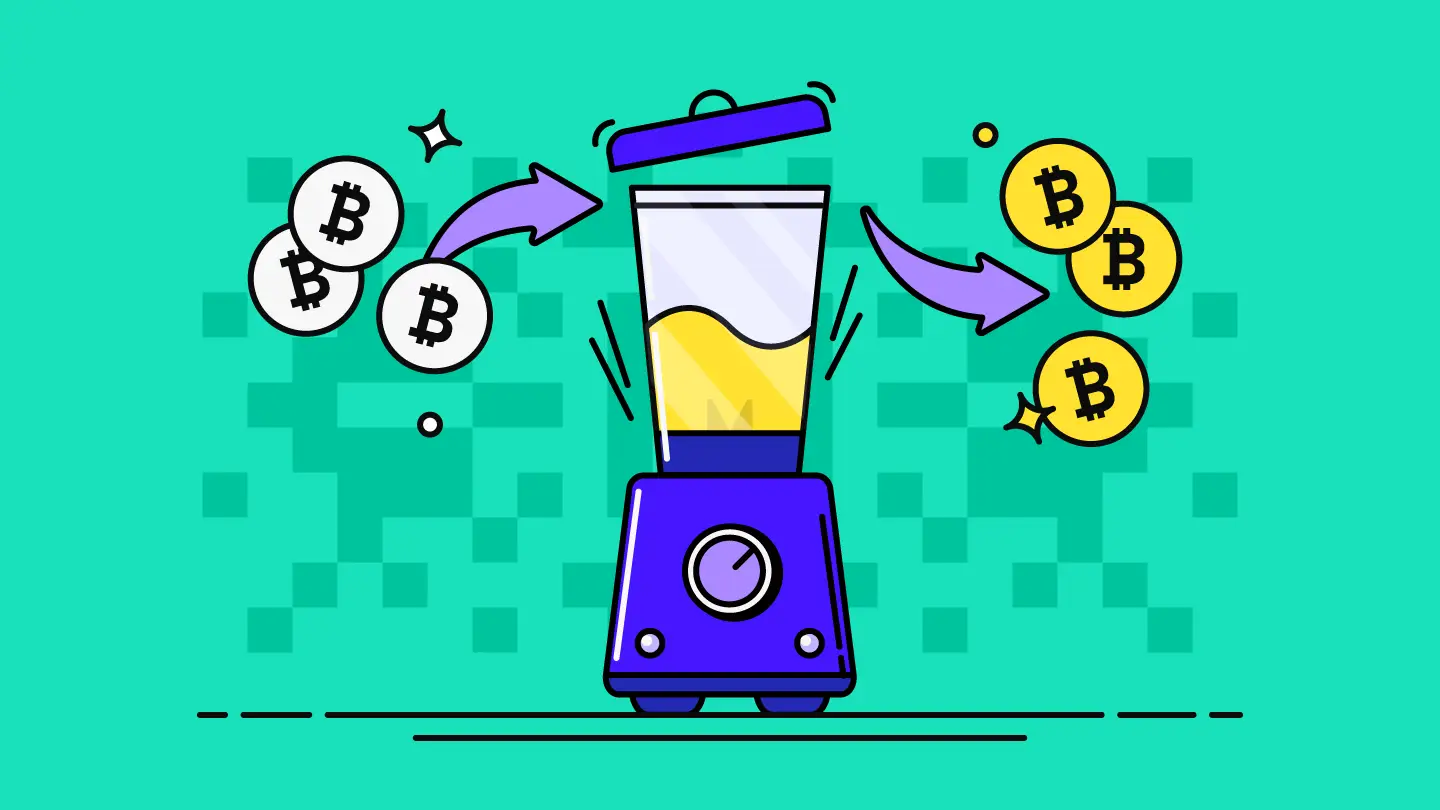
Evaluating the Risks of a Cryptocurrency Mixer
While privacy tools offer immense benefits for personal security, using them is not completely without risk. Before utilizing a cryptocurrency mixer, you must understand the operational vulnerabilities involved.
Risks range from malicious exit scams to technical errors during transaction processing. Being aware of these pitfalls allows you to navigate the privacy landscape safely and effectively.
The Danger of Centralized Platforms
Centralized privacy services require you to send your coins directly to their corporate wallet. This setup forces you to trust that the operators will actually return your funds instead of stealing them.
The Threat of Data Breaches
If a centralized platform keeps internal transaction logs, those logs can be hacked or seized by external third parties. This completely compromises your anonymity and exposes your history.
Technological Pitfalls in Asset Shuffling
Even when using decentralized alternatives, software bugs or improper user configurations can expose your data or lead to temporary asset lockups.
Smart Contract and Code Vulnerabilities
Decentralized privacy protocols rely entirely on automated smart contracts. If the underlying code contains an undiscovered bug, clever exploits could drain the liquidity pools, risking your assets.
The Risk of Flawed User Execution
The biggest threat to privacy is often human error. If you accidentally link your clean coins to your identity, you waste your time and fees while failing to secure your data.
Navigating Regulatory and Exchange Backlash
Using privacy tools can sometimes cause friction when interacting with highly regulated, traditional financial institutions and centralized crypto exchanges.
The Threat of Account Freezes
Many mainstream exchanges use aggressive compliance software. If their systems flag your coins as having interacted with a privacy tool, they may temporarily freeze your account.
Overcoming the Cleanliness Dilemma
By breaking the on-chain link between your old and new Bitcoin addresses with a CoinJoin-powered Bitcoin mixer, you protect your identity. To avoid exchange issues, route funds through intermediary personal wallets first.
How to Minimize Privacy Service Risks
You can mitigate the vast majority of these risks by doing thorough research and choosing reputable platforms that prioritize user security and eliminate data collection.
- Prioritize Logless Services: Choose platforms with strict no-logs policies to ensure your operational history vanishes permanently.
- Verify Platform History: Look for established services that have a proven track record of successful operations and user satisfaction.
- Test with Small Amounts: Always send a small test transaction before processing your entire balance through any platform.
Crucial Safety Verification Steps
- Verify Official URLs: Double-check website links carefully to avoid phishing sites designed to steal your crypto.
- Demand Responsive Support: Ensure the platform offers same-day support to resolve any transaction delays quickly.
- Avoid KYC Demands: Never use a privacy service that requires identity verification, as this completely defeats the purpose.
Conclusion
Using privacy tools carries risks, but these can be managed with proper knowledge and caution. By selecting non-custodial, logless platforms and avoiding common operational mistakes, you can safely enjoy total financial anonymity without compromising your assets.