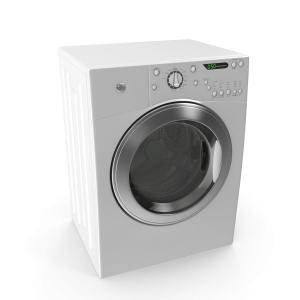
A modern dishwasher can completely change the way you manage your kitchen routine. Instead of spending extra time scrubbing plates, glasses, and cookware, you can enjoy a cleaner and more organized home with less effort. However, getting the best performance from your appliance depends on proper setup from the beginning.
Many homeowners focus on choosing the right dishwasher model but overlook the importance of correct placement, connections, and testing. A carefully completed dishwasher installation process helps prevent leaks, drainage problems, and unnecessary repairs in the future. Whether you are replacing an old unit or adding a dishwasher for the first time, understanding the basic steps can make the experience smoother and stress-free.
Why Professional Dishwasher Installation Makes a Difference
Installing a dishwasher involves more than simply sliding the appliance into an open space. The unit needs a proper water supply connection, a secure drainage system, and a reliable electrical setup. Even a small mistake during installation can lead to water damage, poor cleaning results, or reduced appliance life.
A professional approach ensures that every connection is checked carefully before the dishwasher is used. Experts understand how to adjust the appliance level, secure the unit properly, and confirm that all functions are working correctly.
A quality installation also gives homeowners confidence because they know their appliance is operating safely. Instead of dealing with unexpected issues later, a properly installed dishwasher provides consistent cleaning performance from day one.
- A well-installed dishwasher can help improve efficiency, reduce water waste, and create a more convenient kitchen experience.
Preparing Your Kitchen Before Dishwasher Installation
Before starting the installation process, it is important to prepare the kitchen area. The available space should match the dishwasher measurements, and the nearby plumbing and electrical connections should be inspected. Removing the old appliance carefully is also essential to avoid damaging cabinets, flooring, or pipes.
Homeowners should check that the floor is strong enough to support the appliance and that there is enough room for the door to open completely. Proper preparation saves time and helps avoid complications during setup.
Choosing the correct location also improves daily convenience. A dishwasher placed near the sink usually makes loading dishes easier because it reduces unnecessary movement while preparing and cleaning meals.
How Proper Dishwasher Installation Improves Appliance Performance
A successful dishwasher installation ensures that the machine receives the correct water pressure, drains properly, and functions according to manufacturer guidelines. When connections are secure, the dishwasher can complete cleaning cycles effectively without interruptions.
During installation, professionals typically inspect important areas such as the inlet hose, drain hose, power connection, and leveling position. These details may seem small, but they have a major impact on long-term performance.
A balanced dishwasher also operates more quietly because it reduces vibration during washing cycles. This creates a more comfortable kitchen environment, especially in homes with open living spaces.
Common Mistakes to Avoid During Setup
Many installation problems happen because of rushed preparation or incorrect connections. One common mistake is failing to level the dishwasher properly, which can cause noise and poor door operation. Another issue is using unsuitable hoses or leaving connections loose, increasing the chance of leaks.
It is also important not to ignore the manufacturer’s instructions. Each dishwasher model may have specific requirements for placement, electrical connection, and maintenance. Following the correct guidelines helps protect the appliance and maintain warranty coverage.
Conclusion
A dishwasher is a valuable addition to any kitchen, but its performance depends heavily on how it is installed. Careful planning, proper connections, and professional attention can help your appliance work efficiently for many years.
Investing time in a reliable setup ensures fewer problems, better cleaning results, and greater convenience in your daily routine. With the right approach, your dishwasher can become one of the most useful appliances in your home.
Frequently Asked Questions
Why is proper dishwasher installation important?
Proper installation ensures that the dishwasher receives the correct water supply, drains correctly, and operates safely. It also helps prevent leaks and future repair issues.
Can I install a dishwasher myself?
Some homeowners with plumbing and electrical experience may complete the process themselves. However, professional installation is often recommended to ensure all connections meet safety requirements.
How long does dishwasher installation usually take?
The installation time depends on the existing kitchen setup. A replacement installation is usually faster because plumbing and electrical connections may already be available.
What should I check before installing a dishwasher?
You should check the available space, water connection, drainage system, electrical supply, and cabinet measurements before beginning the installation process.
How can I maintain my dishwasher after installation?
Regular cleaning, checking filters, using the correct detergent, and inspecting for leaks can help maintain performance and extend the appliance’s lifespan.