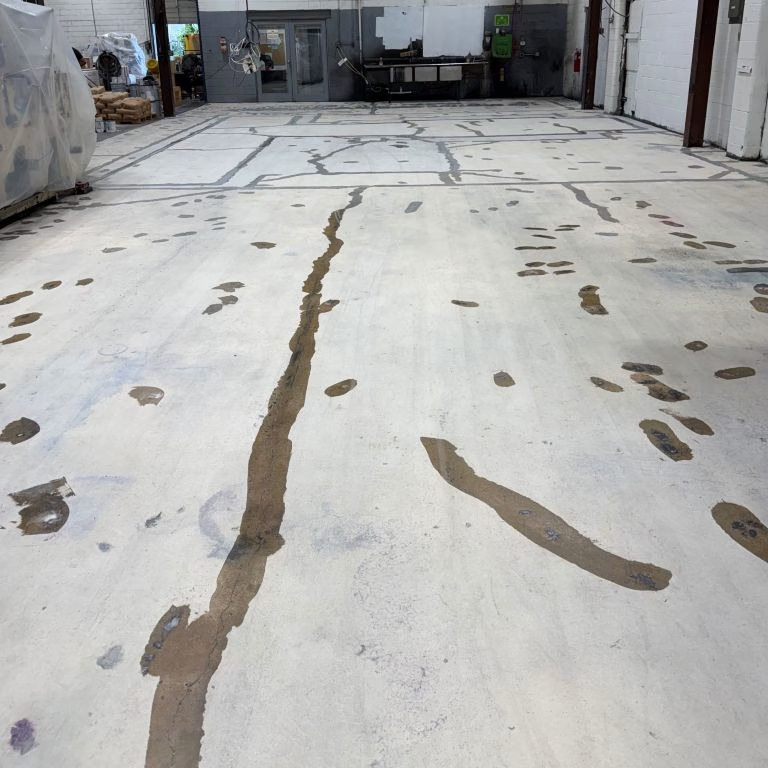
A coated warehouse floor is far lower maintenance than bare concrete, but low maintenance is not the same as no maintenance. A consistent, simple routine can be the difference between a floor that looks and performs well for fifteen years and one that needs an early recoat.
Why Maintenance Habits Matter More Than People Expect
It is tempting to assume that once a facility invests in a quality coated surface, maintenance becomes an afterthought, but the opposite is closer to the truth. The habits established in the first few months after installation tend to set the pattern for how the floor is treated for years afterward. Facilities that build simple, consistent routines from day one, rather than treating cleaning as an occasional catch up task, get noticeably more life out of their warehouse epoxy flooring investment compared to those that let debris and spills accumulate before addressing them.
Daily and Weekly Cleaning Basics
For most warehouses, daily dust mopping or sweeping in high traffic areas is enough to prevent grit from grinding against the coating under wheeled traffic. Loose debris acts like sandpaper when it gets rolled over repeatedly, so removing it regularly is one of the simplest ways to protect the surface.
Weekly or as needed damp mopping with a pH neutral cleaner handles most general grime without stressing the coating. Avoid harsh acidic or highly alkaline cleaning products unless the manufacturer specifically confirms compatibility, since repeated use of the wrong chemical can dull the finish or, in worse cases, gradually break down the top coat.
Building a Realistic Cleaning Schedule for Multi Shift Operations
Facilities running multiple shifts face a slightly different maintenance challenge than single shift operations, since there is less natural downtime for thorough cleaning. In these cases, it often makes sense to assign lighter touch cleaning tasks, like spot sweeping high traffic aisles, to each shift individually, while reserving deeper cleaning like full floor scrubbing for a designated overnight or weekend window when equipment traffic is lowest. Splitting responsibilities this way keeps the floor consistently maintained without placing the entire burden on a single shift or a single weekly cleaning crew.
Handling Spills the Right Way
Prompt cleanup matters more than people assume. Even chemicals the coating is rated to resist can cause staining or gradual degradation if left sitting for extended periods rather than being wiped up soon after a spill occurs.
For oil or grease spills specifically, an absorbent product followed by a proper degreasing cleaner works well without needing anything abrasive. For unknown chemical spills, checking the safety data sheet against the coating manufacturer’s chemical resistance chart before applying any cleaning agent is a smart habit, since mixing incompatible products can create additional hazards.
Assigning Clear Ownership of Floor Care
One of the most common reasons maintenance routines break down over time is simply that no single person is clearly responsible for them. When floor care is loosely assigned to whoever happens to be available, it tends to slip during busy periods and gradually stop happening altogether. Facilities that designate a specific person or small team as owner of the floor maintenance schedule, even if it is just one part of their broader responsibilities, tend to sustain consistent habits far longer than facilities relying on informal, shared responsibility that nobody in particular feels accountable for.
Equipment That Works Well on Coated Floors
Standard walk behind or ride on floor scrubbers work well for most warehouse sized coated floors and are far more efficient than manual mopping across large square footage. Soft bristle or non abrasive pad attachments are recommended over stiff wire brushes, which can scratch the surface over repeated use.
Pressure washing is sometimes used for heavily soiled areas, but should be done carefully, especially around expansion joints and edges where high pressure water can sometimes force its way underneath the coating if there is any existing damage.
What to Avoid
A few habits shorten a coating’s lifespan faster than almost anything else. Dragging heavy equipment or pallets directly across the floor rather than lifting or using appropriate wheels can gouge even a durable system over time. Using cleaning chemicals not approved by the manufacturer, particularly strong solvents or bleach based products, can discolor or soften certain formulations. Ignoring small chips or worn spots also lets minor damage expand under continued traffic, turning a five minute touch up into a much larger repair.
Setting Up a Simple Maintenance Schedule
Most facility managers find success with a tiered approach. Daily sweeping or dust mopping in main traffic lanes keeps grit under control. Weekly damp mopping handles general buildup across the rest of the floor. Monthly or quarterly inspections of known high wear zones, like forklift turning areas and dock approaches, catch early signs of wear before they spread. Annual professional inspection, especially for larger facilities, gives an outside perspective on overall floor condition and helps plan ahead for eventual recoating.
When to Call in a Professional
Small chips, minor scratches, and light wear in low traffic areas can often be handled with a manufacturer approved touch up kit. Anything involving delamination, where the coating is visibly lifting or bubbling away from the concrete, cracking that extends into the substrate, or widespread wear across a large area is worth bringing in a professional to assess, since attempting a DIY fix on structural issues can sometimes make the underlying problem worse.
Training Staff on Proper Floor Care
Maintenance routines only work if the people actually doing the cleaning understand why certain steps matter. Taking a few minutes to train janitorial or facility staff on which cleaning products are approved, how to handle spills of specific chemicals used on site, and what to do if they notice a chip or worn patch goes a long way toward extending the floor’s usable life. Facilities that treat floor care as a shared responsibility across shifts, rather than leaving it entirely to a once a week outside cleaning crew, tend to catch small issues faster simply because more people are paying attention day to day.
Posting a simple laminated reference sheet near supply closets, listing approved cleaners and basic dos and don’ts, is a low effort way to keep this knowledge consistent even as staff turns over.
Seasonal Maintenance Considerations
Warehouses in regions with real seasonal weather changes should adjust their maintenance approach slightly throughout the year. Winter months often bring more moisture and tracked in salt or grit near entry points, which calls for more frequent mopping in those specific zones to prevent abrasive buildup. Summer months in warehouses without full climate control can see more dust from open loading doors, which may call for slightly more frequent sweeping during that season compared to winter.
Building a Long Term Relationship With a Flooring Contractor
Many facility managers find value in maintaining an ongoing relationship with the original installer rather than treating the project as a one time transaction. A contractor familiar with the specific system installed, the facility’s traffic patterns, and any past repair history can often diagnose and address issues faster than bringing in a completely new company each time something needs attention. Some contractors even offer periodic inspection visits as part of an extended service agreement, which can catch developing problems before they become expensive repairs.
Creating a Simple Written Maintenance Plan
Facilities that get the best long term results from their flooring investment often have a short, written maintenance plan posted somewhere accessible to whoever handles daily cleaning duties. This does not need to be complicated. A single page listing the daily sweeping routine, weekly mopping schedule, approved cleaning products, and a short list of warning signs to report to a supervisor covers most of what is actually needed. Having this documented, rather than relying on informal knowledge that might not get passed along consistently as staff changes over time, keeps maintenance standards steady even through turnover in cleaning or facilities staff.
Frequently Asked Questions
Can regular dish soap be used to clean epoxy flooring?
Mild dish soap diluted in water is generally safe for occasional use, though a dedicated pH neutral industrial floor cleaner is a better long term choice for regular cleaning.
How often should a warehouse floor be professionally deep cleaned?
Most facilities benefit from a professional scrub or deep clean once or twice a year, depending on traffic volume and the type of materials handled on site.
Will a floor scrubber damage the coating over time?
A properly maintained scrubber with the correct pad type is safe for regular use and is actually gentler on the coating than repeated manual mopping with abrasive tools.
What is the fastest way to catch early wear before it becomes a bigger issue?
A simple monthly walkthrough of known high traffic zones, checking specifically for dullness, chips, or exposed substrate, catches most issues while they are still small and inexpensive to fix.
Does humidity affect how the floor should be maintained?
High humidity environments should ensure adequate drying time after wet cleaning to avoid trapping moisture, though the coating itself remains stable across normal humidity ranges.
Leave a Reply